
Venus laser RTK
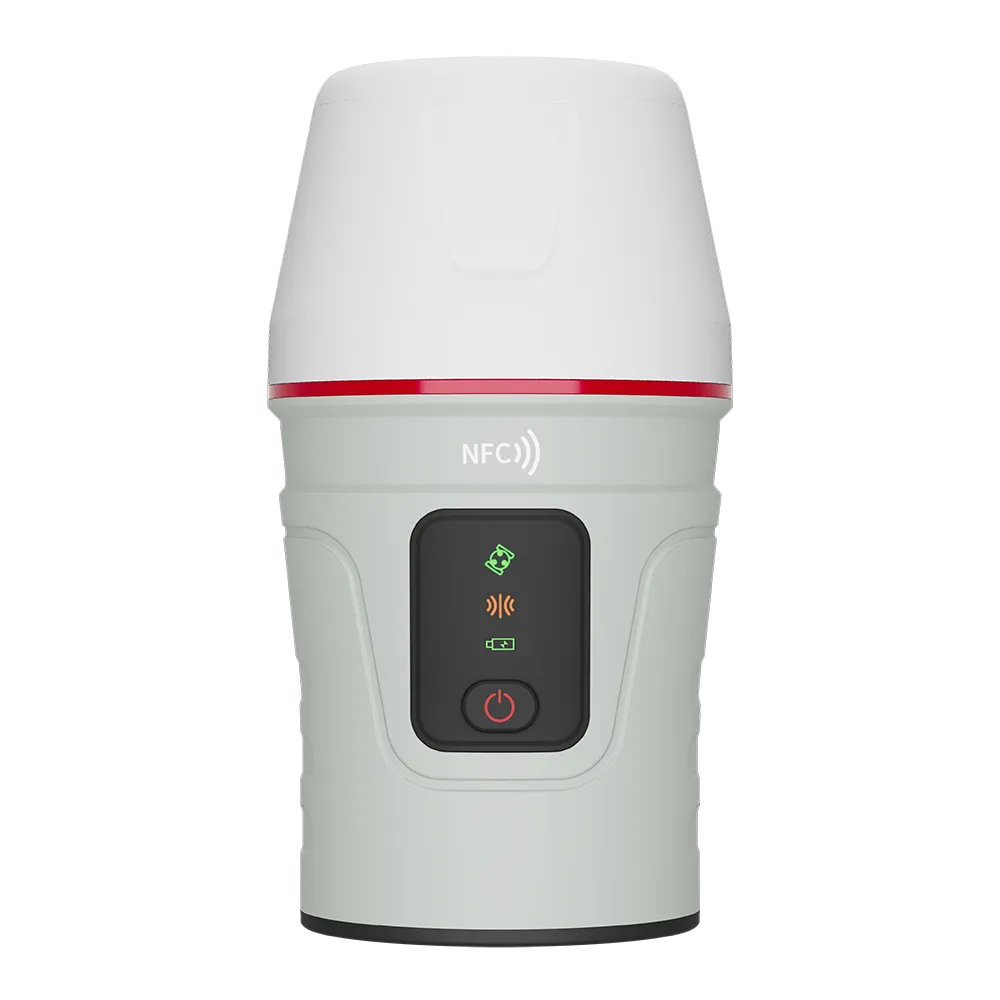
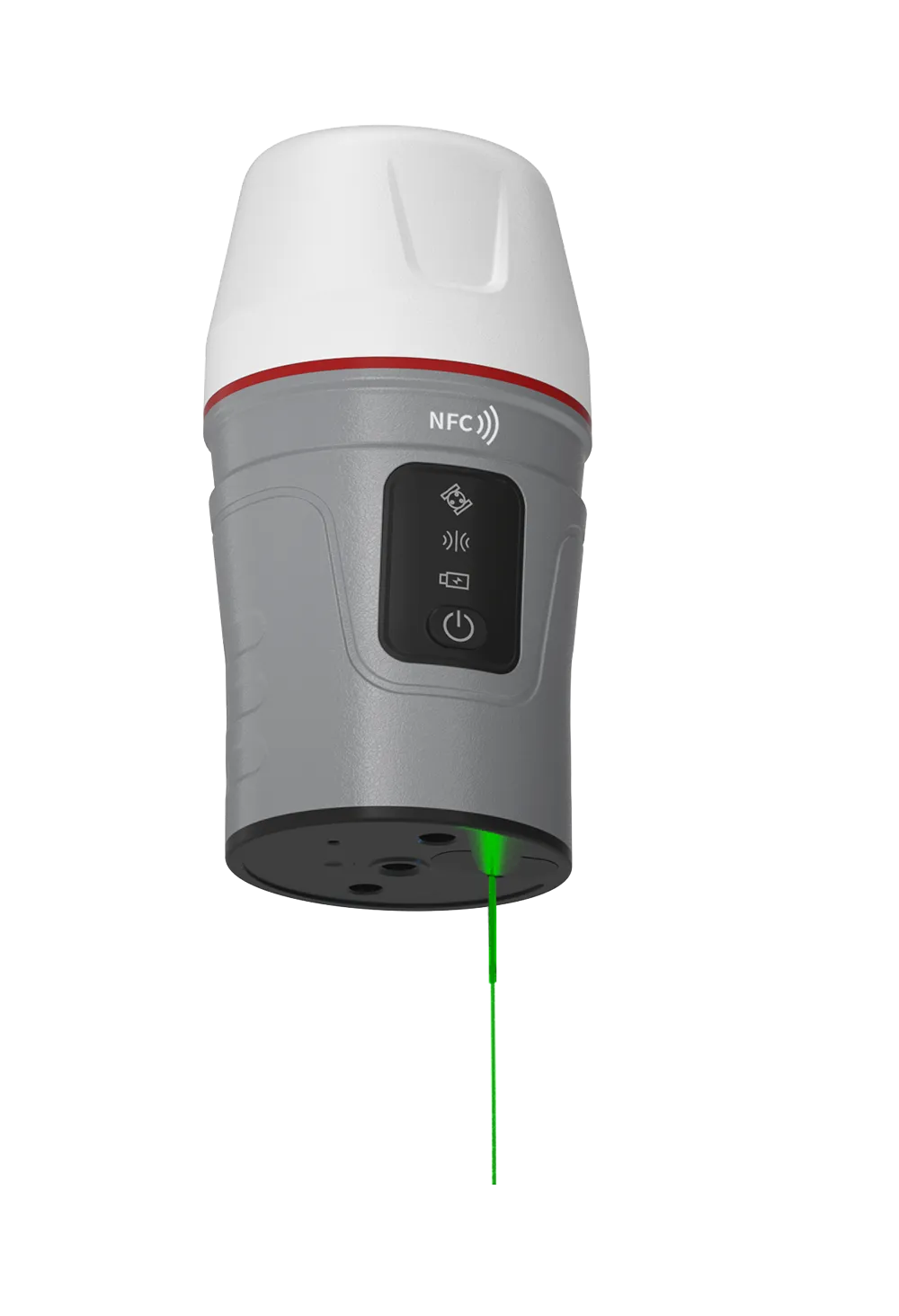
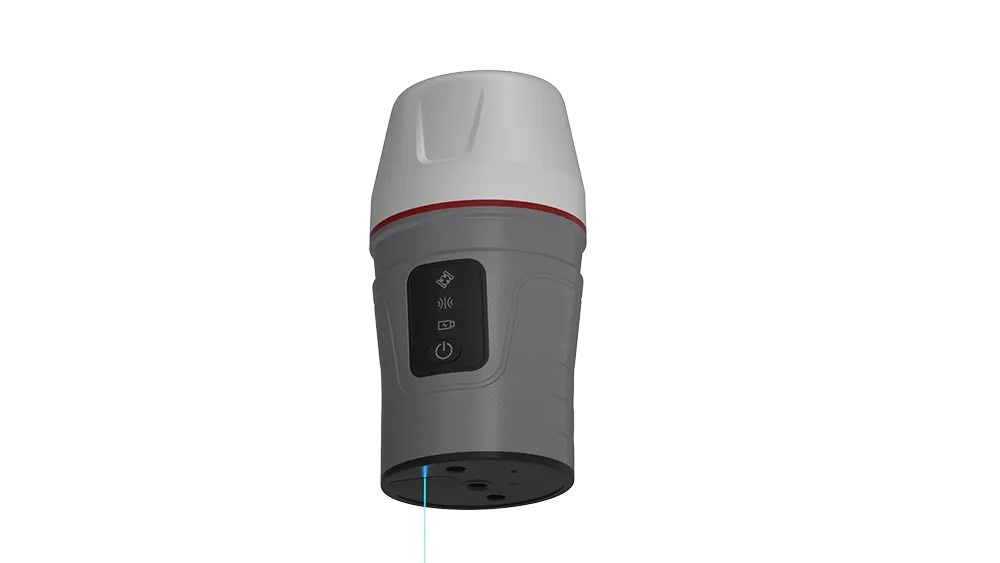
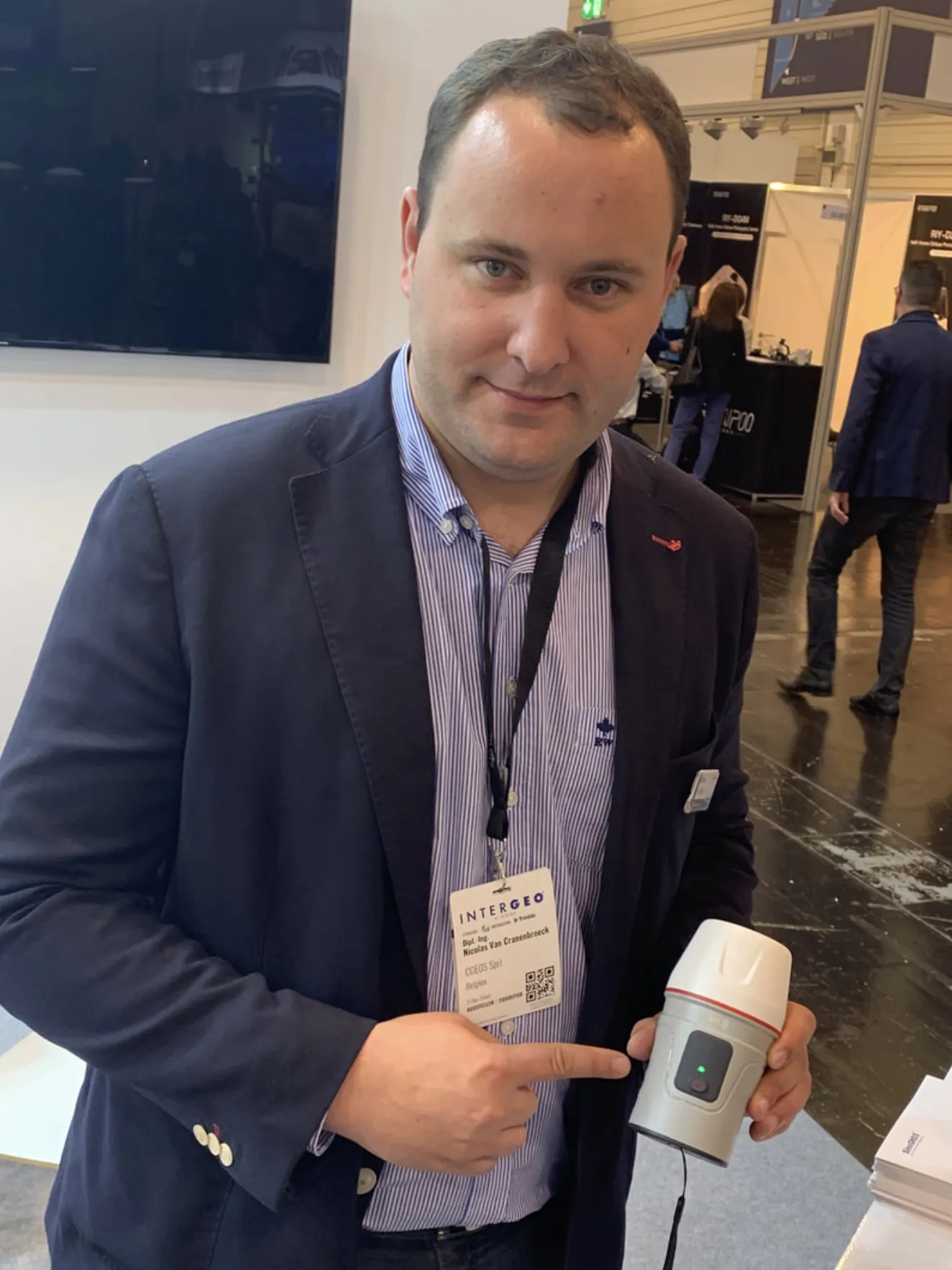
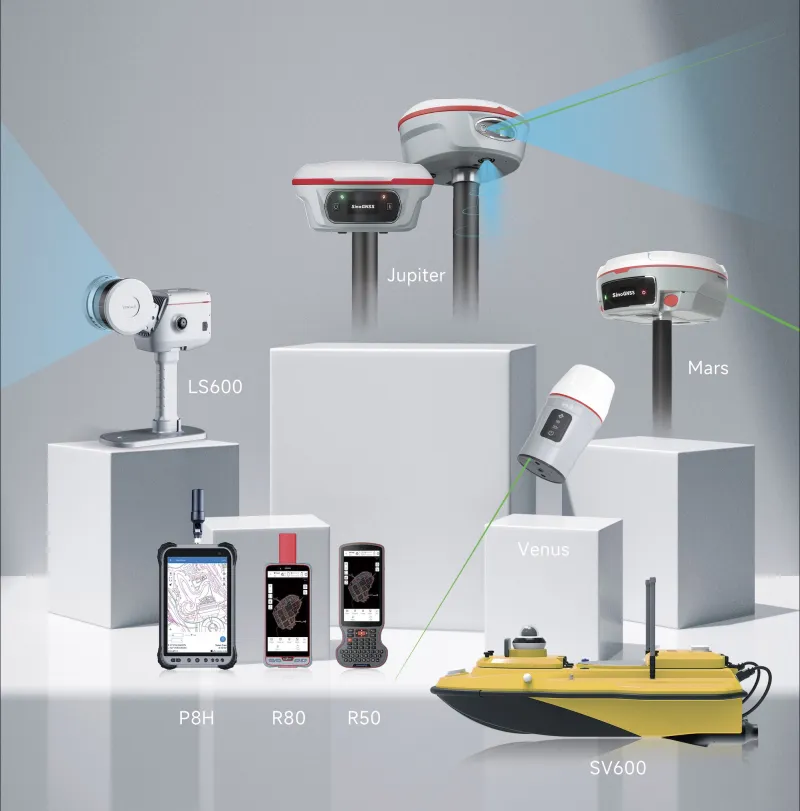
Venus Laser RTK is an innovative GNSS receiver that enables rodless topography with a millimeter laser, breaking the usual constraints.

Introduction
Experience Unmatched Positioning with Our Venus GNSS Receiver
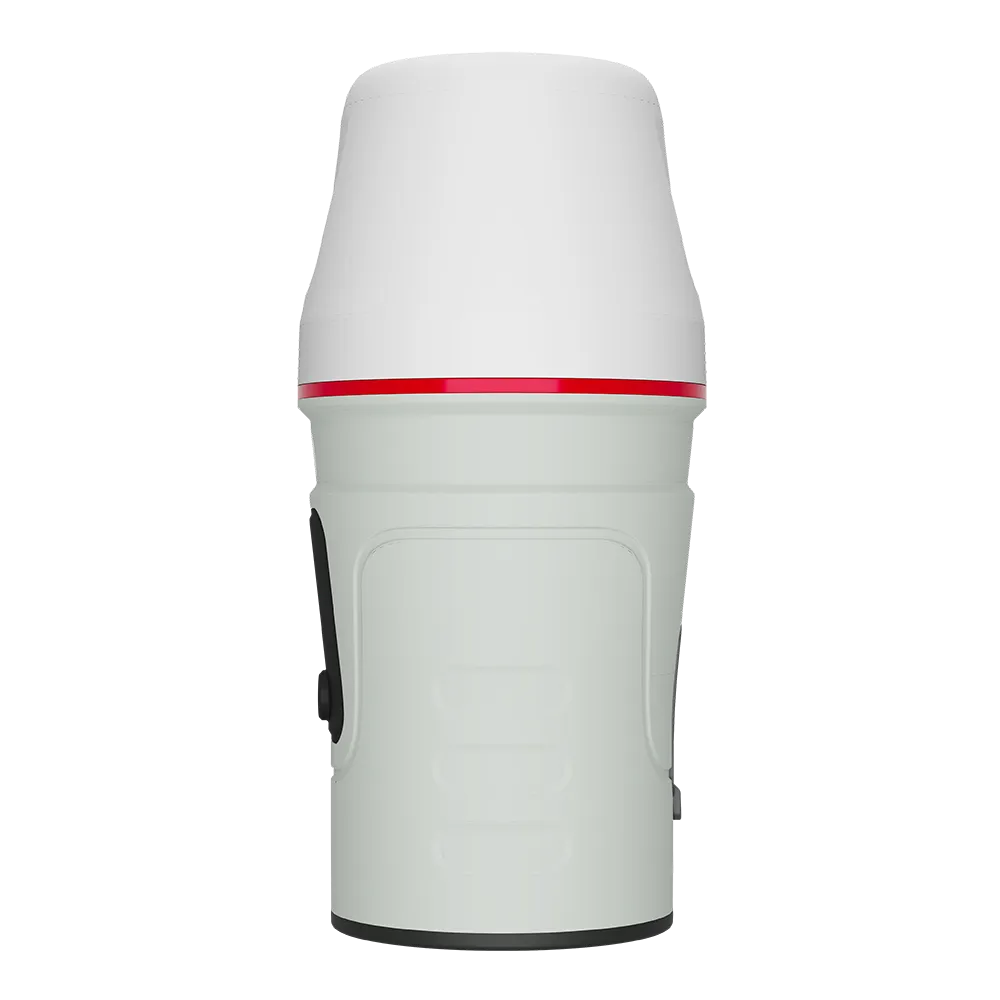
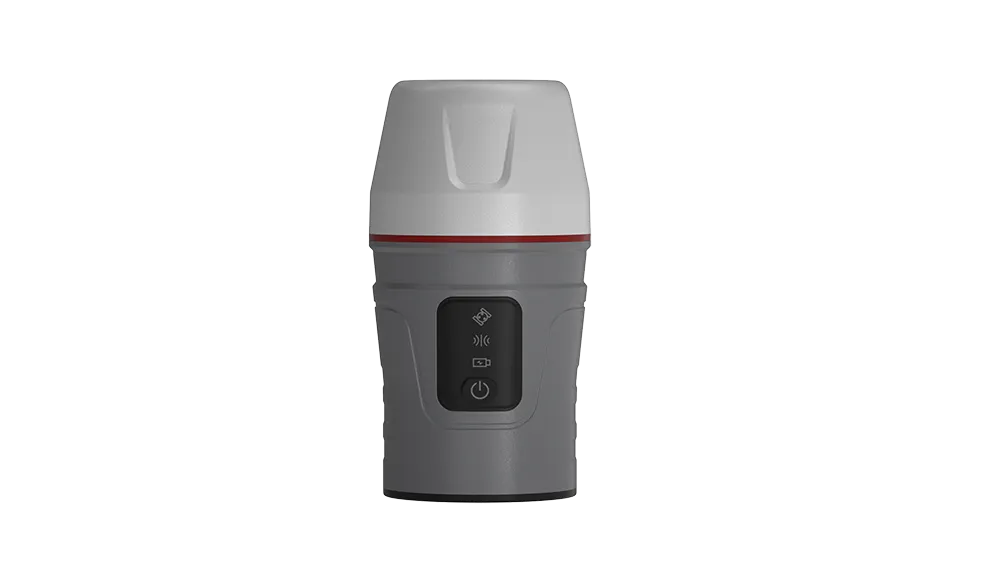
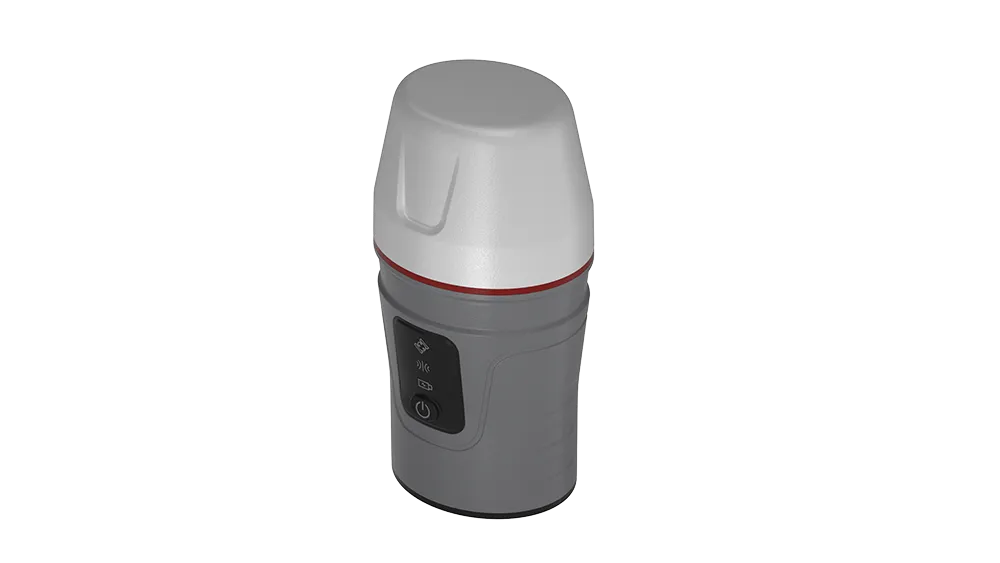
The Venus weight 380g and reduces user fatigue, and the portable design makes it easy to use. In addition, it is a revolutionary GNSS receiver that integrates laser and IMU technologies. 1590 channels and tracking capabilities of more than 50 satellites
Innovative
Explore the Technical Specifications of GNSS Receiver
Characteristics:
- GNSS, RTK, Wireless, Satellite, Bluetooth, Multi-constellation, Multi-Frequency, GSM, IP
- portable, compact, rugged, multi-channel, IP67, high-precision, multi-frequency, laser, low-power, low-latency, NFC
Traking capabilities
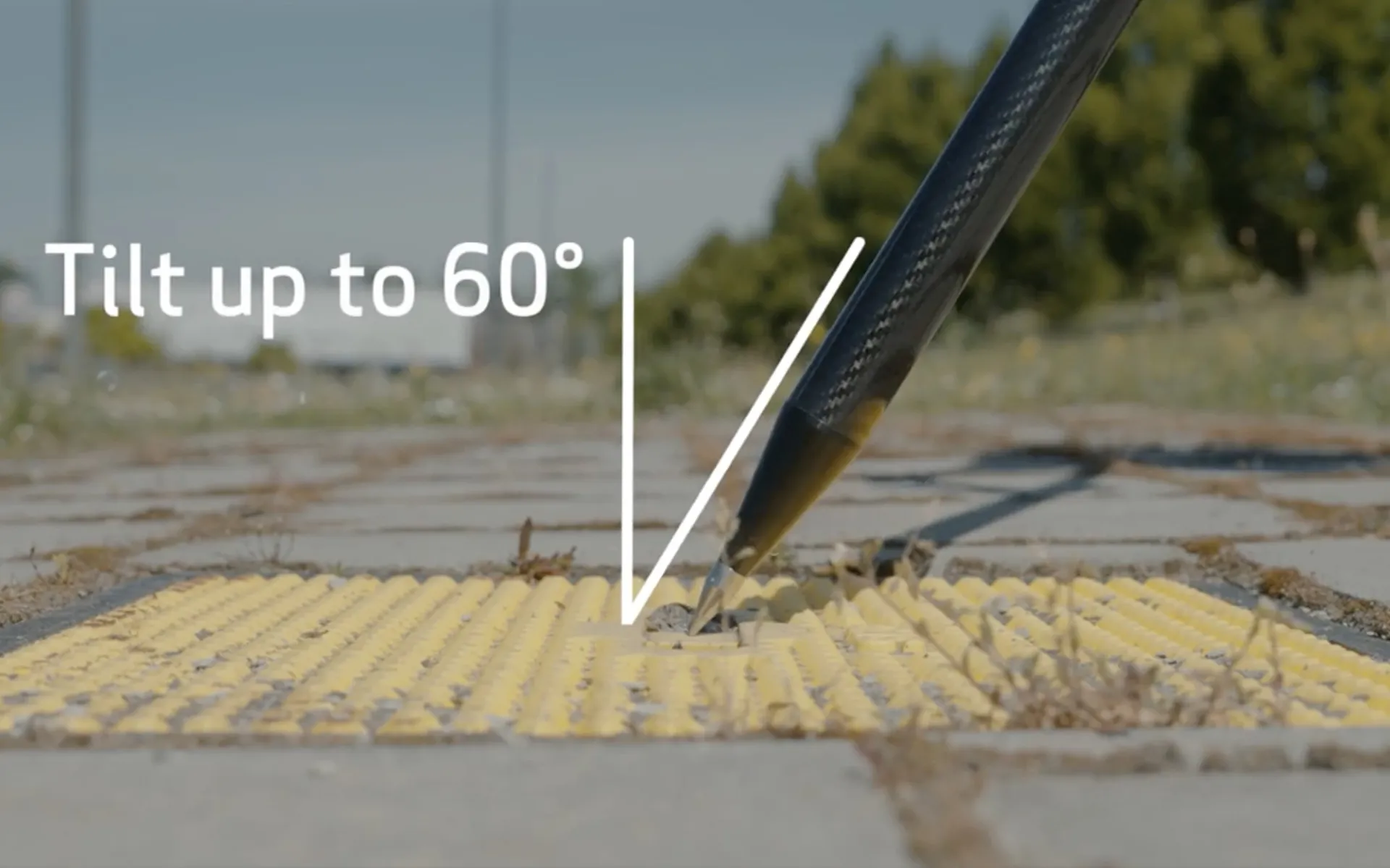
Tracking of all current and planned constellations, including GPS, BDS-2, BDS-3, GLONASS, Galileo, QZSS, IRNSS and SBAS Tilt up to 120° with 2.5cm accuracy Support NFC and Bluetooth connection IP67 water and dust resistant for harsh environments Continuous use of more than 20 hours QC2.0, fully recharges in 4 hours Laser technology.
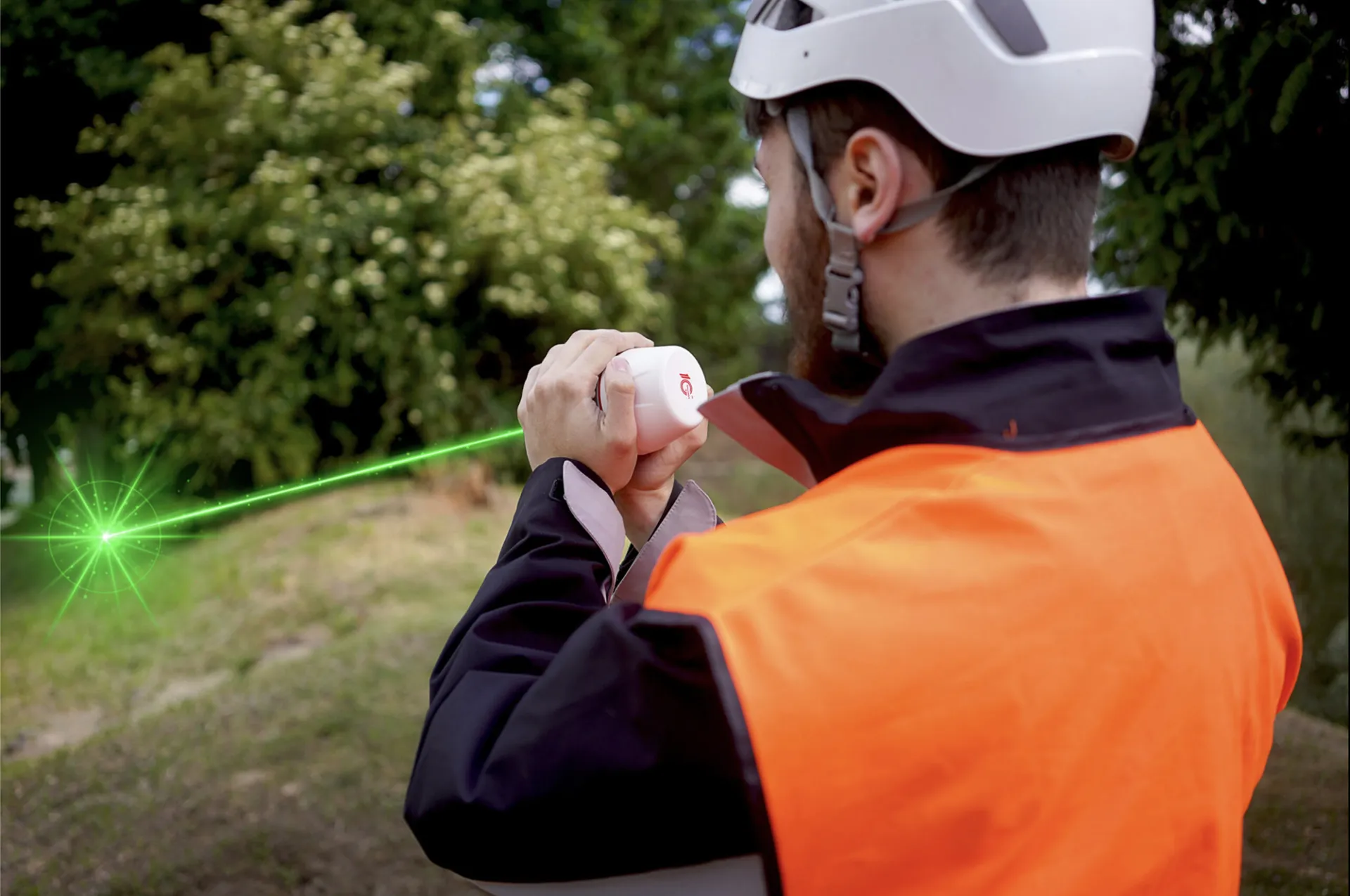
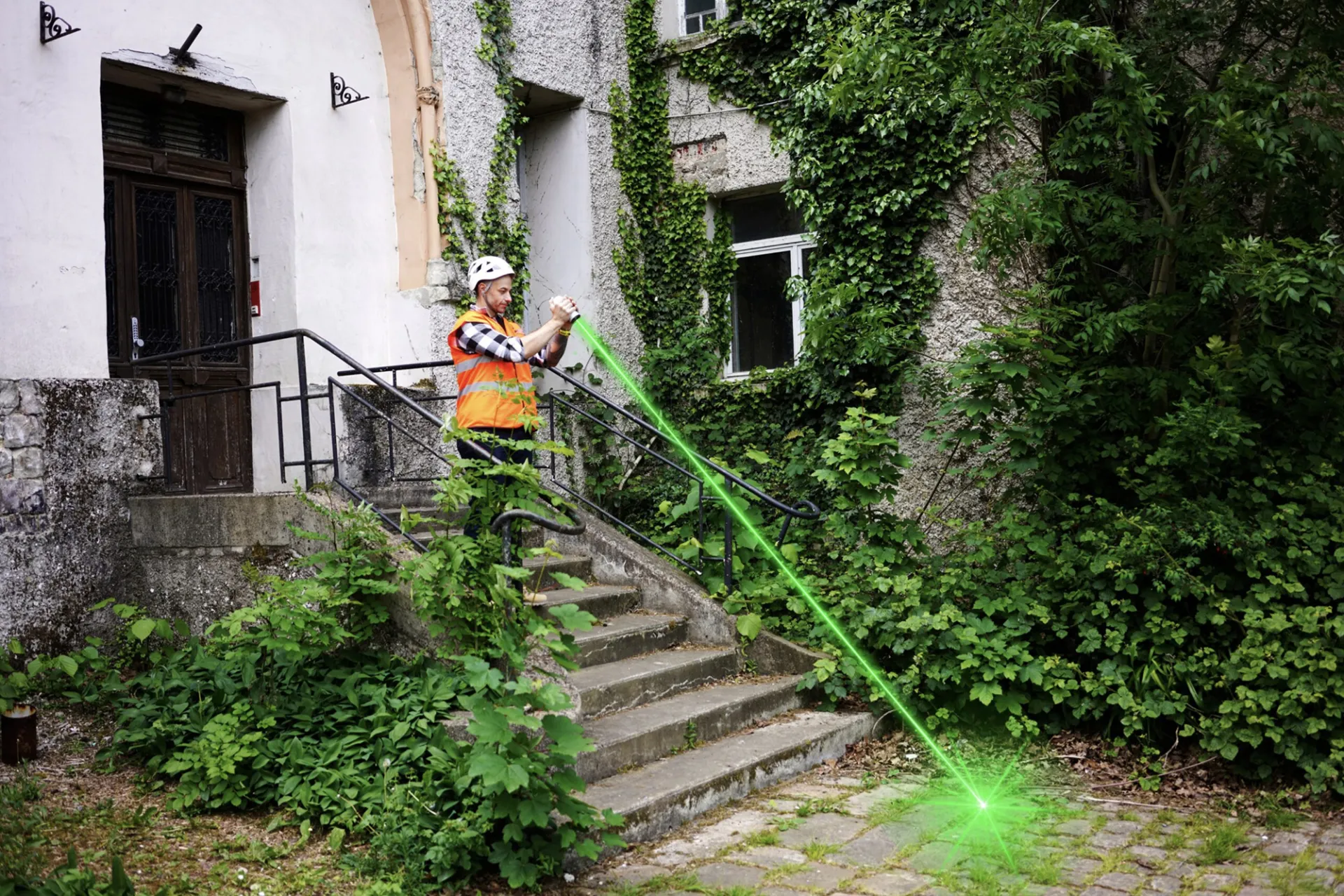
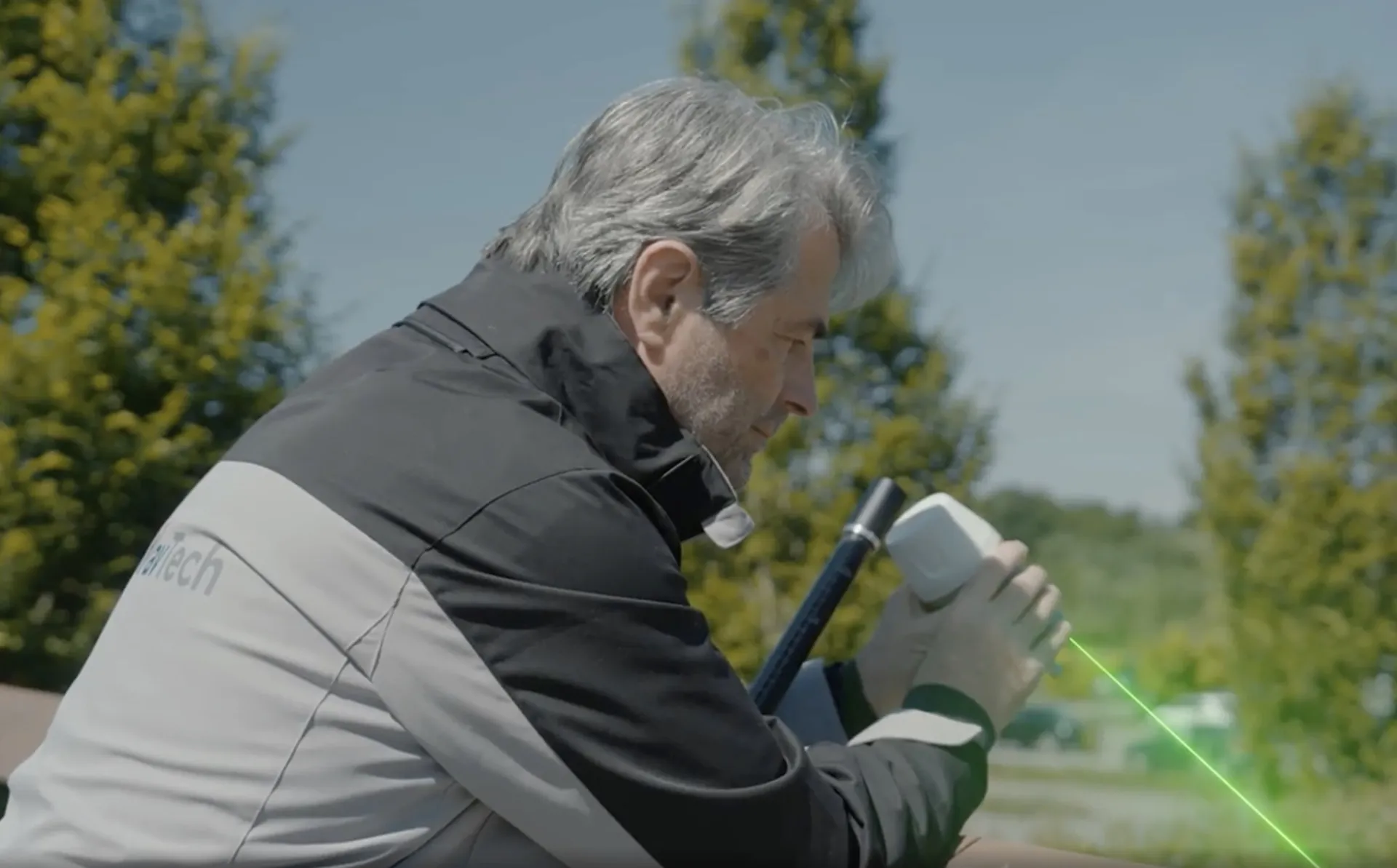
Precise green laser
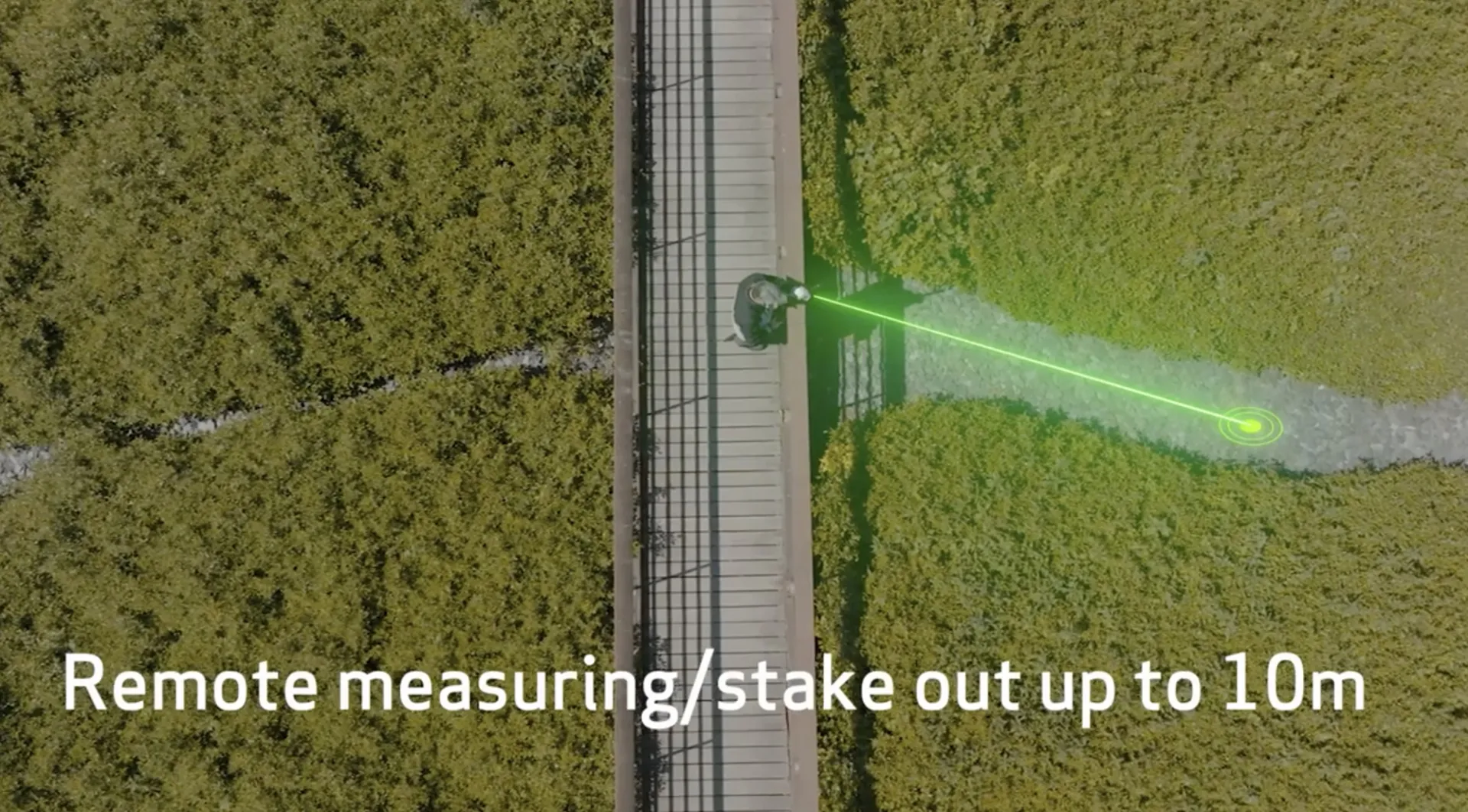
Venus' precise green laser, visible in daylight, can measure points where it is impossible to stand with a measuring stick. The combination of the GNSS receiver and the laser rangefinder integrates perfectly with the work of the surveyors and significantly increases productivity. IMU The built-in IMU sensor detects micro-accelerations generated by the laser dot or measuring stake, and thanks to advanced algorithms, Venus can maintain high-precision results with tilt compensation.
OEM card tracks
New K8 Venus OEM card tracks 1590 channels for all running satellite constellations and supports SBAS PPP service. In addition, the new OEM K8 board has more powerful computing capacity and lower power consumption.
1590
GPS: L1C/A, L1C, L2P, L2C, L5
BDS: B1l, B2l, B3l, B1C, B2a, B2b
GLONASS: G1, G2, G3
Galileo: E1, E5a, E5b, E6c, E5 AItBOC
QZSS: L1C/A, L2C, L5, L1C
IRNSS: L5
SBAS: L1C/A
≤1s
≤45s
≤15 s
<10s(baseline≤10km)>
≥99.9%
1Hz, 2Hz, 5Hz, 10Hz, 20Hz
Horizontal 2.5 mm + 0.5 ppm RMS
Vertical 5 mm + 0.5 ppm RMS
Horizontal 8mm + 1ppm RMS
Vertical 15mm + 1ppm RMS
<0.4m RMS
Horizontal 0.5 RMS
Vertical 0.8 RMS
1.5m 3D RMS
≤5.5cm (2m range, ≤120°Tilt in handheld mode)
Plastic
80±1mm(L), 70±1mm(W), 150±1mm(H)
380g
M8 thread
-20°C~+60°C
-30°C~+70°C
100% non-condensing
IP67
Survive a 2m drop onto the concrete
MIL-STD-810G Method 514.6 procedureⅠ
5/9V
1.45W
30V, VBUS 9.99V
<4h(qc2.0)>
≥20h
5.0 Dual-Mode Bluetooth
NFC Fast Connection
USB TYPE-C
RTCM2.X, 3.X, CMR(GPS only), CMR+(GPS only)
ASCII: NMEA-0183 GSV, RMC, HDT, GGA, GSA, ZDA, VTG, GST; PTNL, PJK; PTNL, GGK
ComNav Binary update to 20 Hz
10m
(3-5)mm + 1ppm
Classic Value: 3Hz
Maximum Value: 5Hz
0.9mW~1.5mW
-20°C~+50°C
-30°C~+60°C
Industries
Relevant Industries and applications
Explore


